Texts & Scriptures
The Yijing (I Ching) — Book of Changes
The oldest Chinese classic, predating Confucianism and Taoism but foundational to both. A manual of divination based on 64 hexagrams representing cosmic conditions and transformations. Studied for divination, philosophical wisdom, and as a map of how change operates in nature and human affairs.
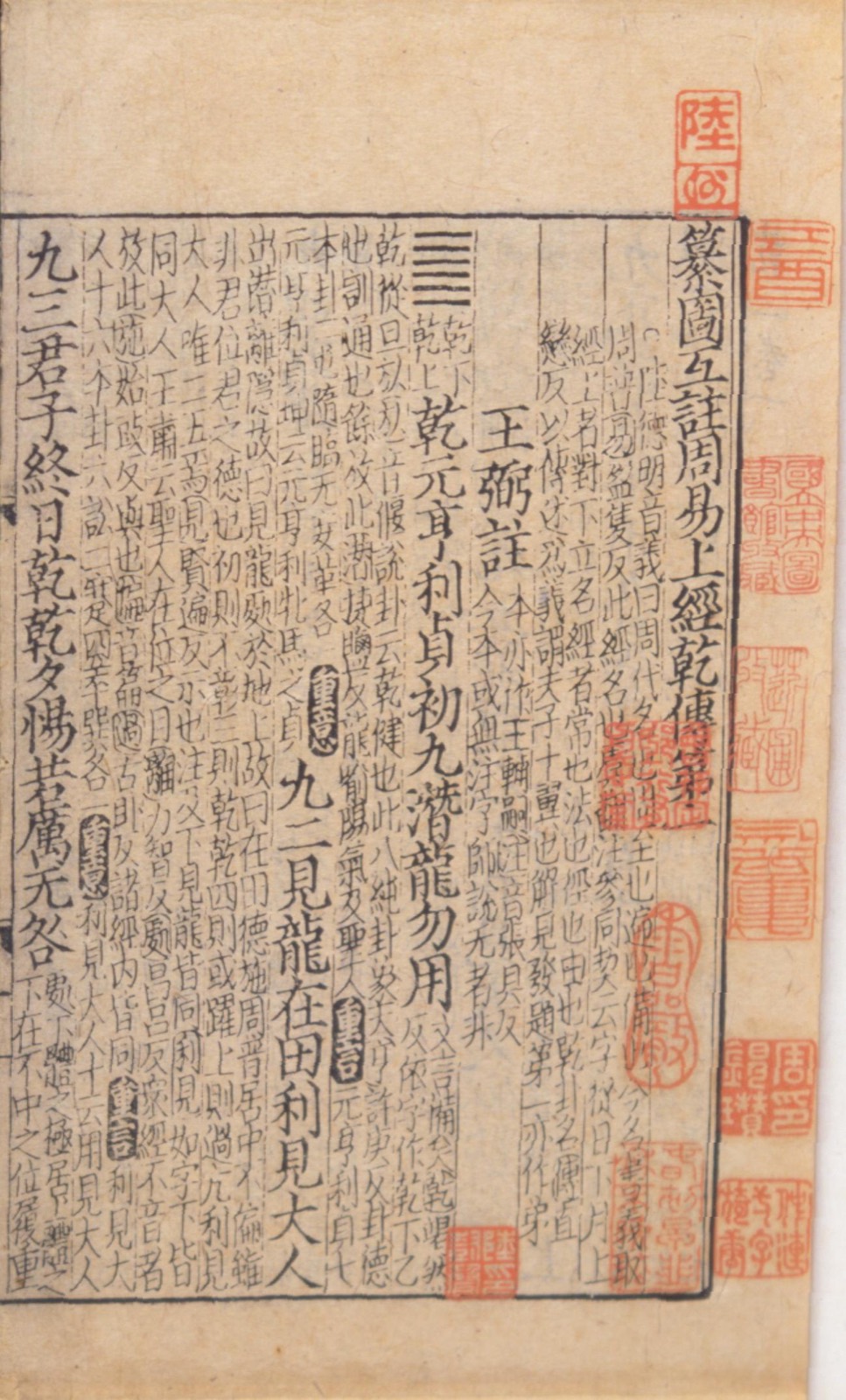
The Yijing represents perhaps the deepest mapping of how change operates—not as random flux but as intelligible transformation following underlying patterns.
The 64 Hexagrams
Each hexagram consists of six lines, solid (yang ⚊) or broken (yin ⚋), representing different phases of transformation. Each has a name pointing to a cosmic or human condition: "The Creative" (heaven, pure yang), "The Receptive" (earth, pure yin), "Conflict," "The Family," "Abundance," "Before Completion."
The hexagrams exist in complementary pairs: each has an inverse. Creative (all yang) inverts to Receptive (all yin). This symmetry reflects the principle that opposite states contain seeds of each other.
Divination as Mirror
Traditional divination involved tossing coins or yarrow stalks to generate a hexagram, which the diviner interpreted using commentaries. Unlike magical thinking, the Yijing operates as a mirror—its patterns reflect the consultant's situation with surprising clarity. The hexagram does not predict the future but illuminates the present moment and the direction change is moving.
Philosophical Foundations
The Yijing teaches that:
- Complementarity: Yin and yang are not opposites but complementary forces, each containing seeds of the other
- Transformation: Change follows comprehensible patterns, not blind chance
- Timing: Action appropriate to one phase may be disastrous in another. Wisdom includes knowing the time (shi)
- Paradox: Forward movement may require temporary retreat; strength manifests as receptivity
Taoist Integration
Inner alchemy (neidan) incorporated Yijing symbolism extensively, using hexagrams to map the body's energy centers and transformational processes. The five elements (wuxing) derived from Yijing cosmology became central to Taoist medicine, martial arts, and practice.
The Yijing's teaching on transformation—that systems move through natural phases, that resistance to the current phase creates suffering, that wisdom means aligning with what is—became core to Taoist philosophy.
Keep exploring
Return to the full directory, browse by texts & scriptures, or see how this shapes our own programs.