high deity Loyalty, martial valor, brotherhood, and — in later popular cult — wealth and commerce
Guan Yu (Guandi)
A historical general of the late Han and Three Kingdoms period, renowned for loyalty and martial prowess, who was deified over subsequent centuries into one of the most widely worshipped figures in Chinese religion — enshrined in Taoist temples, Buddhist monasteries (as the guardian Sangharama), popular shrines, and, in many overseas Chinese communities, business premises, as a god of wealth.
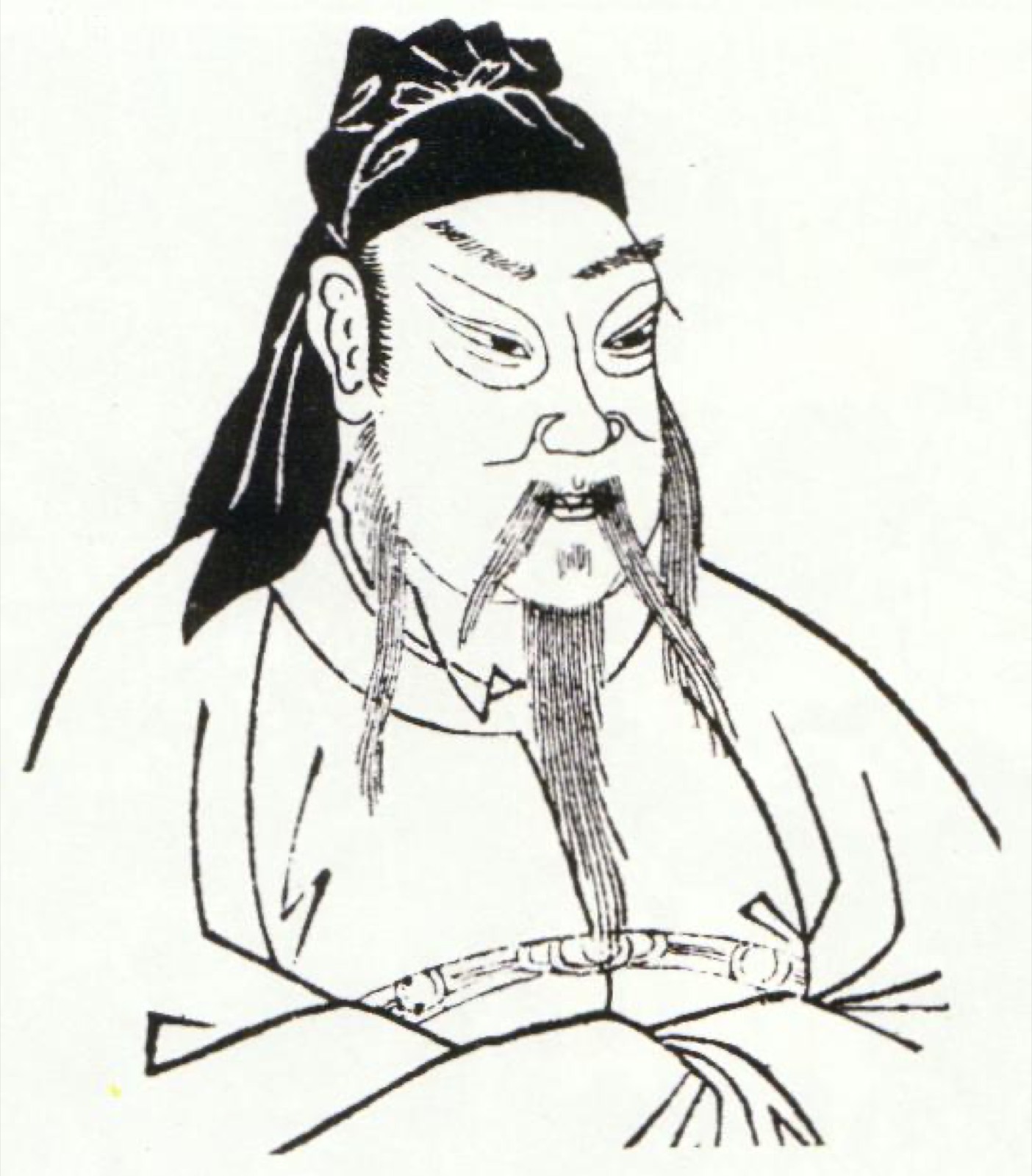
Guan Yu was a real military commander who served under the warlord Liu Bei in the turbulent final years of the Han dynasty, an alliance later immortalised — and considerably embellished — in the historical novel Romance of the Three Kingdoms, where his sworn brotherhood with Liu Bei and Zhang Fei, his unwavering loyalty even under enemy captivity, and his eventual execution by a rival warlord became one of Chinese literature's central stories of honour and fidelity. Deification began not long after his death and accelerated steadily through the following centuries, with successive imperial courts granting him escalating posthumous titles, until by the Qing dynasty he had been elevated to the rank of Di (emperor), placing him formally alongside the very highest tier of state-recognised deities.
His cult is a genuine case of shared or overlapping religious ownership rather than exclusive Taoist property, and this platform states that plainly rather than claiming him whole. Taoist temples enshrine Guandi as a martial protector and, in Zhengyi and popular ritual, as an exorcistic guardian deity; Buddhist monasteries independently venerate him as Sangharama Bodhisattva, a Dharma-protecting guardian spirit, following a legend of his posthumous conversion by a Buddhist monk; and Chinese folk religion, especially among merchants and in the Chinese diaspora, worships him separately as a god of wealth and sworn-brotherhood loyalty, credited with protecting businesses and enforcing the honesty of contracts and oaths. All three devotional streams are active and legitimate in their own right, and a great many temples — Taoist, Buddhist, and mixed — house his image without resolving, or needing to resolve, which tradition "owns" him.
Iconography
A red-faced, long-bearded warrior in green robes and armor, typically holding his signature curved polearm (the Green Dragon Crescent Blade), often accompanied by his horse and an attendant
Epithet
Emperor Guan, god of war and loyalty
Festival: 13th day of the 5th lunar month, observed in some regional traditions as his festival
Back to the pantheon
Return to Pantheon, or read the concepts behind these figures.